
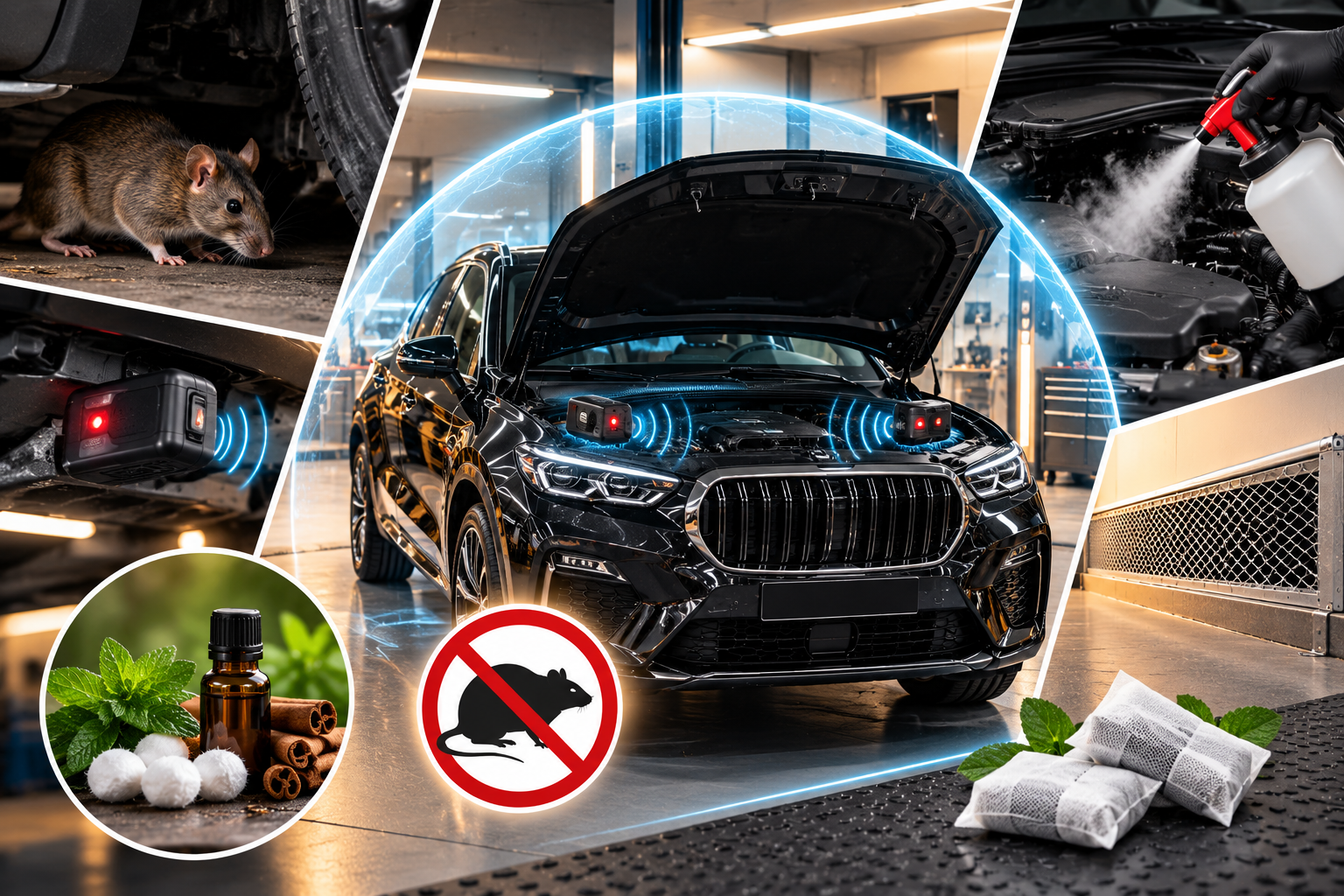
Finding rat damage inside your car can be frustrating and expensive. Rodents sometimes enter parked vehicles, chew electrical wires, damage insulation, and build nests in hidden areas.
Cars parked in apartment basements, open parking spaces, and quiet garages can be particularly vulnerable.
Choosing a suitable Car Rodent Repellent Treatment can help reduce the risk of rodent-related damage. However, effective protection also requires regular inspection, clean parking surroundings, and preventive maintenance.
Here is what car owners should know about protecting their vehicles from rats.
Why Do Rats Enter Car Engine Compartments?
Quick Answer: Rats enter cars searching for shelter, warmth, nesting spaces, and sometimes food. A Car Rodent Repellent Treatment helps deter chewing on treated components, but should be combined with preventive parking and maintenance practices.
Engine compartments contain sheltered spaces where rodents can hide. Vehicles left unused for extended periods may provide an undisturbed environment.
Nearby garbage, food waste, vegetation, and rodent activity can increase the likelihood of animals exploring parked cars.
For reliable Rat Protection for Cars, understanding these risk factors is just as important as applying a protective treatment.
What Damage Can Rats Cause to Cars?
Rats can damage several important vehicle components.
Electrical Wiring Damage
Rodents may chew wiring insulation and electrical cables, potentially causing warning lights, electrical faults, or starting problems.
Rubber Hoses and Insulation
Soft rubber and plastic components can also attract gnawing, increasing the risk of damage.
Nesting Materials
Rodents may carry leaves, paper, fabric, or other materials into concealed vehicle spaces.
Cabin Contamination
Droppings and nesting debris may create unpleasant smells and hygiene concerns.
Professional Car Rodent Repellent Treatment can help discourage chewing in suitable treated areas, reducing one important source of vehicle damage.
However, damaged wiring and other mechanical problems require proper inspection and repair.
How Does Rodent Repellent Treatment Work?
Car Rodent Repellent Treatment involves applying a specialised deterrent coating to approved areas vulnerable to rodent chewing.
3M rodent repellent coating is formulated for suitable wiring, cables, and rubber or plastic surfaces. The treatment helps discourage rodents from gnawing on protected components.
Unlike mechanical repairs, this is a preventive automotive service.
Professional Car Rodent Protection focuses on reducing risk rather than guaranteeing that rodents will never enter a vehicle.
A properly chosen treatment should also be compatible with the relevant vehicle components and applied according to the product's instructions.
What Happens During Professional Rodent Repellent Application?
At 3M Car Care Studio HSR Layout, Car Rodent Repellent Treatment is designed around vulnerable areas of the vehicle.
Step 1: Vehicle Inspection
Technicians examine accessible engine-bay components and look for possible signs of rodent activity or damage.
Step 2: Surface Preparation
Suitable application areas are cleaned and dried so the coating can be applied as intended.
Step 3: Targeted Application
The product is applied to approved wiring zones, cable runs, and other suitable surfaces according to manufacturer guidance.
Step 4: Final Inspection
The treated areas are reviewed, and the customer receives relevant aftercare instructions.
Professional application is especially important because indiscriminate spraying near sensitive components, hot surfaces, or electrical connections may create risks.
Which Cars Need Rodent Protection Most?
Car Rodent Repellent Treatment may be particularly useful for vehicles frequently exposed to environments where rodents are active.
These include:
- Cars parked overnight in apartment basements.
- Vehicles left unused during long holidays.
- Cars parked near waste collection areas.
- Vehicles stored in quiet or poorly maintained garages.
- Cars with a history of rodent-related wiring problems.
For residents seeking Car Engine Protection near HSR Layout, preventive maintenance is worth considering before damage occurs.
Daily-driven cars can also be affected, so regular vehicle use does not eliminate the risk.
How Can You Prevent Rats from Entering Your Car?
A Car Rodent Repellent Treatment works best as part of a broader prevention strategy.
Keep Your Parking Area Clean
Avoid leaving food waste, discarded packaging, or accessible rubbish near the vehicle.
Inspect the Engine Bay Regularly
Look for nesting materials, droppings, damaged insulation, and unusual debris.
Avoid Leaving Food Inside
Remove food leftovers and clean spills from the cabin promptly.
Maintain the Surrounding Area
Reduce clutter and address possible nesting areas around garages and parking spaces.
Address Rodent Activity Near the Property
If rats are regularly present in a basement or parking area, inform the property manager or consult a qualified pest-control professional.
Combining these practices with appropriate Rodent Repellent for Cars creates a more comprehensive approach than relying on a single product.
What Are the Warning Signs of Rats Inside a Car?
Early detection can help prevent further damage.
Common warning signs include:
- Scratching or movement sounds around a parked vehicle.
- Droppings or nesting materials under the bonnet.
- Chewed wiring insulation or rubber components.
- Unusual smells inside the cabin.
- Unexpected electrical warning lights or starting problems.
If you suspect Rat Damage in Cars, arrange a professional inspection.
Avoid touching exposed wiring or disturbing nests without appropriate precautions. Rodent waste should be handled safely because it may present health risks.
Can Rodent Treatment Repair Existing Damage?
No. Car Rodent Repellent Treatment is designed for prevention, not mechanical or electrical repair.
If rodents have already damaged wires, hoses, or other components, a qualified automotive technician should assess the vehicle.
Damaged electrical systems may require repairs before the vehicle is safe to operate.
Once the problem is addressed, preventive coating and improved parking conditions may help reduce future exposure.
How Long Does Rodent Repellent Protection Last?
The effectiveness of Car Rodent Repellent Treatment depends on the specific product, application quality, environmental exposure, and maintenance conditions.
3M's car care guidance recommends repeating its rat repellent treatment approximately every six months. Always confirm the appropriate interval with the applying studio and current product instructions.
The coating should not be treated as permanent protection.
Regular inspections remain important, especially where rodent activity continues.
How Much Does Rodent Repellent Treatment Cost in Bangalore?
The price of Car Rodent Repellent Treatment can vary depending on the selected product, vehicle condition, application requirements, and studio service charges.
Before booking, confirm the treatment coverage, applicable aftercare requirements, and recommended reapplication interval.
For Rodent Repellent Treatment in Bangalore, a vehicle-specific quotation is more reliable than assuming every car requires an identical service package.
BOOK A CONSULTATION
Talk to Our Team About Your Car
Visit our HSR Layout studio or send an enquiry — we’ll help you pick the right solution for your vehicle.